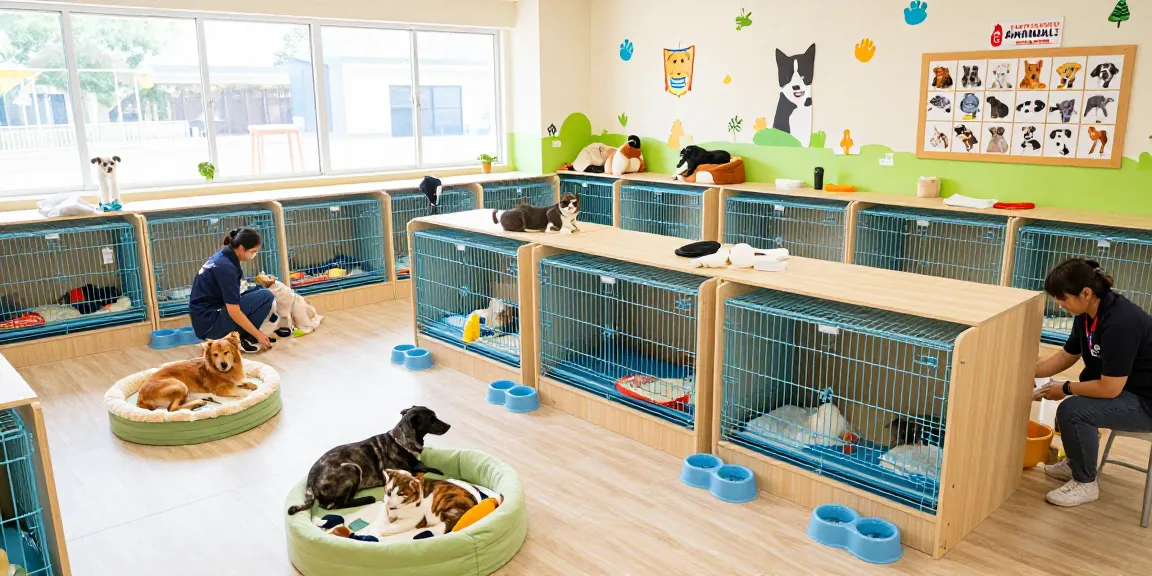
Understanding the Importance of High-Quality Pet Boarding Cages
For any animal professional, the comfort and safety of the pets in your care are paramount. High-quality Pet Boarding Cages play a crucial role in ensuring that pets feel secure and at ease during their stay. As the pet boarding industry continues to grow, it’s essential to understand not just the needs of the animals but also the requirements of the facilities that house them. In this comprehensive guide, we will explore why investing in premium pet boarding cages is critical for your facility and how to choose the best options available.
Why Comfort Matters for Boarding Pets
Comfort is vital for pets that may be in an unfamiliar environment. High-quality boarding cages help reduce stress and anxiety, which is essential for the overall well-being of the animals. When pets feel comfortable, they are more likely to exhibit calm behavior, which can translate into a more pleasant experience for both the animals and the staff. Features that contribute to comfort include:
- Ample Space: Providing enough room for movement, lying down, and standing comfortably.
- Soft Materials: Cages that include soft bedding or padded surfaces can enhance comfort, especially for older pets.
- Good Ventilation: Proper airflow contributes to a better environment, alleviating heat stress during warmer months.
Safety Features in Modern Pet Boarding Cages
Safety is another non-negotiable aspect when selecting pet boarding cages. Modern cages should include robust materials and design elements that prioritize animal security:
- Locking Mechanisms: Ensure that doors cannot be easily opened by curious pets or inadvertently by staff.
- Rounded Edges: Helps prevent injuries from sharp edges, particularly for active or anxious animals.
- Durable Materials: Materials like high-grade metal and quality plastics resist wear and tear, ensuring long-lasting safety.
Comparing Different Materials for Cage Durability
Choosing the right materials is essential for ensuring the durability of pet boarding cages. Common materials include:
- Stainless Steel: Highly durable and resistant to rust, making it an ideal choice for longevity.
- Plastic: Lightweight and easier to clean, but may not always withstand the toughness of larger breeds.
- Wood: Aesthetic and often used for cat condos, but requires more maintenance to ensure hygiene.
Choosing the Right Pet Boarding Cages for Your Facility
Choosing the ideal boarding cage is crucial for creating an efficient and welcoming environment for both pets and staff. The selection process involves assessing various factors including space, size requirements, and brand reputation.
Evaluating Space and Size Requirements
Before purchasing, assess your available space to determine the dimensions that best fit your needs. Cages must be appropriately sized for the species of pet being housed. For example, larger breeds may require bigger cages, while smaller breeds can thrive in more compact spaces.
Identifying Cage Types: Indoor vs. Outdoor
Understanding the distinction between indoor and outdoor cages is essential for optimal pet comfort and safety. Indoor cages are typically designed for various sizes and species, providing adequate ventilation and comfort. In contrast, outdoor cages should be weather-resistant and capable of withstanding environmental elements.
Making Informed Choices: Brand Recommendations
Brand reputation matters when it comes to purchasing pet boarding cages. Look for companies that prioritize quality, safety, and customer service. Research customer reviews and ratings to make an informed decision. Established companies like Clark Cages have a long-standing reputation for producing high-quality cages that meet the needs of animal professionals.
Best Practices for Maintaining Pet Boarding Cages
Once you have invested in high-quality pet boarding cages, maintaining them is essential to ensure hygiene, safety, and longevity. Follow these best practices to keep cages in optimum condition.
Daily Cleaning Routines to Ensure Hygiene
Developing a daily cleaning routine is essential. This should include:
- Removing Waste: Regularly clean out any bedding, food, or waste to keep the environment clean.
- Disinfecting Surfaces: Use pet-safe disinfectants to wipe down surfaces, keeping the environment safe for all pets.
- Checking for Damage: Inspect cages daily for signs of wear and tear, addressing issues promptly.
Regular Maintenance Checks for Longevity
Beyond daily cleaning, set up a schedule for more thorough checks and maintenance, including:
- Inspecting Hardware: Ensure all locks, hinges, and doors are functioning correctly.
- Deep Cleaning: Schedule a routine deep cleaning using steam or specialized cleaning equipment.
- Updating Inventory: Keep an inventory of supplies for cage maintenance, including replacement parts and cleaning supplies.
Tips for Creating a Comfortable Environment
Maximise the comfort of the boarding cages by personalizing them for each animal. Use cozy bedding, toys, and even adjustable lighting to make the environment feel like home.
Pet Boarding Cage Setup for Maximum Efficiency
A well-thought-out setup can significantly improve efficiency in your boarding facility. Here are some strategies to consider:
Organizing Your Boarding Space for Optimal Flow
Design your space to allow for easy access to cages and efficient movement for staff. Group cages by type or size, which can aid in quicker and more efficient care.
Using Modular Cages: Flexibility in Design
Modular cage systems offer flexibility, allowing you to adjust the configuration depending on the size and number of pets you’re accommodating at any time. This adaptability can lead to better space utilization and improved care standards.
Utilizing Space for Play Areas and Relaxation
In addition to cages, consider incorporating play areas and relaxation zones. This provides pets the opportunity to socialize and exercise, which is essential for their mental and physical health.
Future Trends in Pet Boarding Cages: What to Expect by 2026
The pet boarding industry is rapidly evolving, driven by changing consumer preferences and innovative technologies. Here are some anticipated trends:
Innovative Technology in Pet Care Cages
Expect to see the integration of technology in pet cages, such as climate control systems and monitoring sensors that provide real-time updates on pets' well-being. These advancements enhance safety and provide peace of mind for pet owners.
Eco-Friendly Materials and Sustainable Practices
With heightened awareness around sustainability, more manufacturers are expected to use eco-friendly materials in their products. This aligns with the growing demand for ethical pet care practices.
Shifts in Consumer Preferences and Expectations
As pet ownership continues to rise, consumers are more informed and discerning about their choices. Facilities will need to adapt by offering a wider variety of cage options and ensuring excellent customer service.
What are the best types of pet boarding cages?
The best types vary based on your needs, but generally, look for sturdy materials, safety features, and adequate space for the size of the pet. Stainless steel options are often recommended for their durability.
How do I choose the right size for a pet boarding cage?
The right size should allow pets to stand, turn around, and lie down comfortably. Measure the pets you typically board and ensure your cages can accommodate them.
What safety features should I look for in pet boarding cages?
Safety features such as secure locks, rounded edges, and strong materials are essential to keep pets secure and safe while boarding.
How often should pet boarding cages be cleaned?
Cages should be cleaned daily to prevent the build-up of germs and odors, while deep cleaning should be routinely conducted to maintain hygiene standards.
What trends are emerging in pet boarding facilities?
Increased use of technology for monitoring pet health, growing demand for eco-friendly products, and an emphasis on comfort and enrichment within boarding facilities are key trends emerging in 2026.